It Started With a Question
I’ve always been more interested in understanding than being certain.
For as long as I can remember, I’ve had trouble with explanations that felt too small for what I was actually seeing. Not because I wanted to argue. Because I genuinely wanted to understand.
As a kid, I asked questions that felt obvious to me and unnecessary to everyone else. Some people appreciated them. Some didn’t. But they revealed something about how I was wired — knowing what happened was never enough. I wanted to know why.
Looking back, that instinct has shaped nearly every chapter of my life. I just didn’t know yet where it would lead.
The First Time the Explanation Didn’t Fit
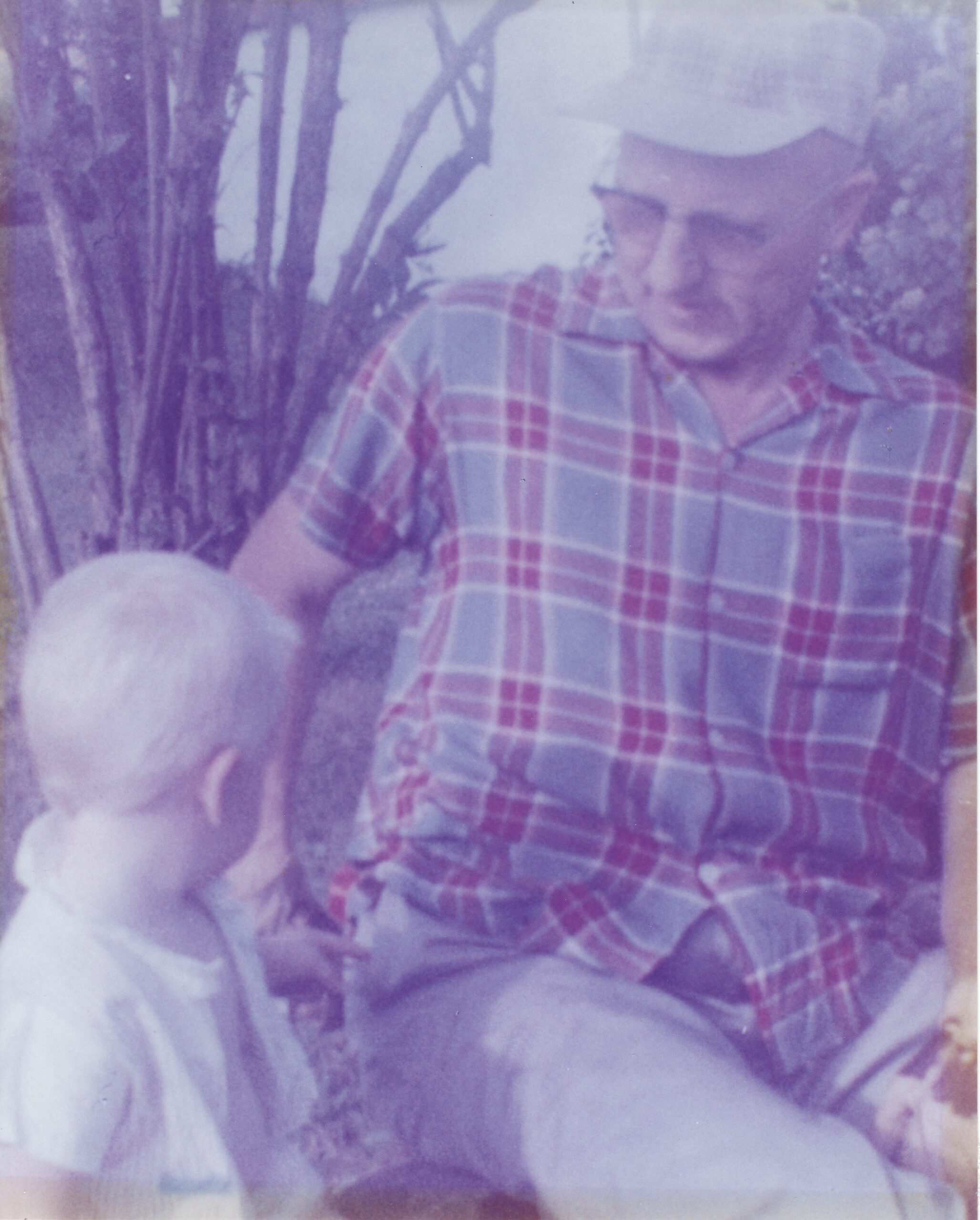
Years ago, I developed a severe skin condition on the palms of my hands — the kind that made strangers uncomfortable just looking at them.
Like most people, I went looking for help. The treatments did what they were designed to do. They reduced the inflammation. They made things more manageable. For a while, that felt like progress.
But the relief never lasted more than a few hours, and the condition always came back.
What bothered me wasn’t that the treatments failed. They helped. It was that no one could tell me why it was happening in the first place. I remember wondering if we’d become so focused on managing the storm that we’d stopped asking what was creating the weather.
Then, while working on a graduate-school project that had nothing to do with dermatology or my own health, I tried something I wouldn’t have under other circumstances. Within two weeks, the condition disappeared.
Not improved.
Disappeared.
My dermatologist was surprised enough that we repeated the testing and tracked it for months, just to be sure this wasn’t a coincidence or a passing remission. It wasn’t. More than thirty years later, it’s never come back.
That was the first time I realized I might have more influence over my own health than I’d ever imagined.
That experience didn’t convince me medicine was wrong. Far from it. It taught me something more specific: a treatment can work without ever explaining why. Managing symptoms and understanding why they exist aren’t always the same thing.
That distinction changed how I thought about my own health, and eventually, it changed the questions I started asking. Until then, I’d quietly assumed my health was something that happened to me — something to be managed by people who knew more than I did.
I still have enormous respect for medicine. But I also realized my daily life was shaping how my body responded, in ways no one had ever taught me to notice.
Then Life Asked the Question Again

Years later, a different challenge showed up. This one was invisible.
For more than twenty-five years, I lived with a chronic pattern that affected my energy, my comfort, and eventually my day-to-day life. Some days I functioned fine. Other days, something as small as a shift in the weather could leave me feeling like my body had simply stopped cooperating.
It became one of those conditions that quietly shapes your life—not dramatic enough to explain everything, but persistent enough that you never quite stop planning around it.
I went looking for answers again. What I got back was some version of:
“You’re getting older.”
“Sometimes this just happens.”
“Learn to live with it.”
Some of that may have held a grain of truth. None of it felt large enough to explain what I was actually living through.
That didn’t make me angry. It made me curious. I’d been here before.
Then It Happened Again
Years after that, I ran into a different kind of problem entirely.
I was getting stronger. Losing weight. Setting personal records in the gym. And yet other parts of my health weren’t improving at all — some days my body cooperated, other days some parts of my body were clearly adapting while others weren’t, and the explanations I kept hearing never matched what I was experiencing.
That contradiction forced me to sit with something I hadn’t considered before. The body wasn’t simply getting better or worse. Different systems could be responding differently—at the same time, to the same life.
The harder I looked, the more one question kept coming back. Not what’s the perfect workout, or the best supplement, or how do I try harder — but what is my body responding to that I haven’t learned to see yet?
That question changed everything.

What I Began Noticing
The more I looked into it, the less random the body seemed. It wasn’t simply cooperating one day and resisting the next. It was responding — adapting in one place, protecting in another, growing stronger here while becoming less responsive there.
The body wasn’t behaving irrationally. I just hadn’t understood the larger pattern yet.
Eventually, one observation kept showing up no matter where the investigation led: the body responds to what it can count on. Not just exercise. Not just nutrition. Not just sleep. But the repeated pattern of conditions it experiences over time.
The body doesn’t respond to what we intend. It responds to what it repeatedly experiences.
That simple observation eventually became the foundation of the Body Responsiveness System.
Why I Built This
As I kept asking these questions, I realized I wasn’t the only one. I kept meeting people doing all the “right” things — working hard, following the plan, trying to be disciplined — whose bodies still weren’t responding the way they expected.
Too often, the conclusion became some version of, “you must not be trying hard enough.” That never sat right with me. Not because effort doesn’t matter. It does. But before deciding the problem is character, I think it’s worth asking a different question: what has this body been responding to?
That single shift changes the whole conversation. It replaces judgment with investigation, blame with curiosity. And in my experience, that’s usually where the better answers start.
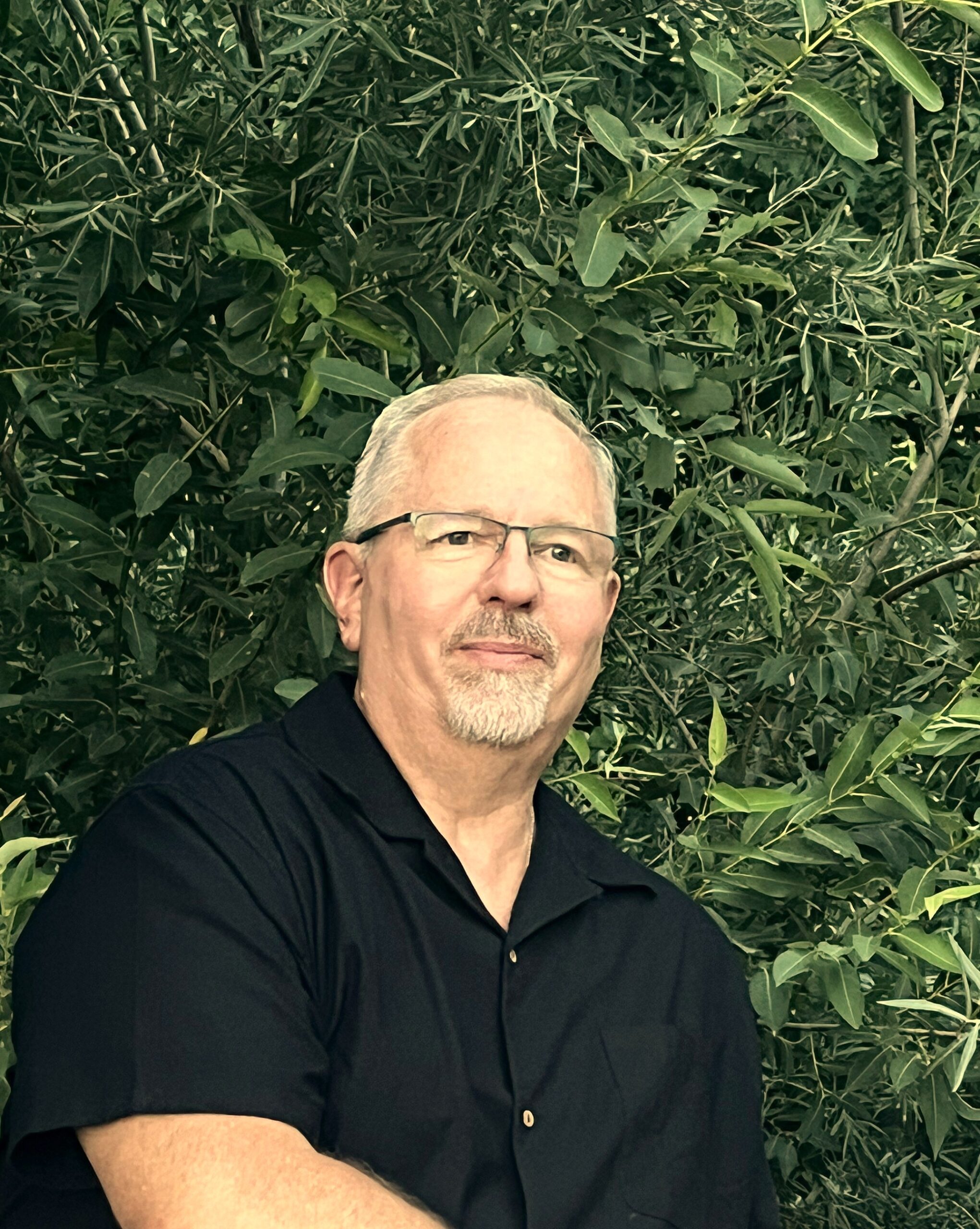
Where I Am Today
I don’t claim to have all the answers. If anything, the longer I study the body, the more respect I have for how remarkably adaptive it is. Every conversation teaches me something. Every client adds another piece to the picture. I’m still investigating, and I suspect I always will be.
But I’ve become convinced of this: a lot of people don’t need another diet, another workout, or another lecture about discipline. They need a better question.
If your body has stopped responding the way it once did. If you’ve worked harder while getting less predictable results. If the explanations you’ve been given have never quite felt large enough to explain what you’re living through —
you’re exactly who I built this for.Not because I’ve finished asking questions. Because I haven’t. And I have a feeling some of the next important ones are waiting to be found together.
If my experience has taught me anything, it’s that explanations aren’t all equal. Some are just large enough to manage symptoms. Others help us understand why the body responded the way it did. I’ve spent the last several years looking for those larger explanations.